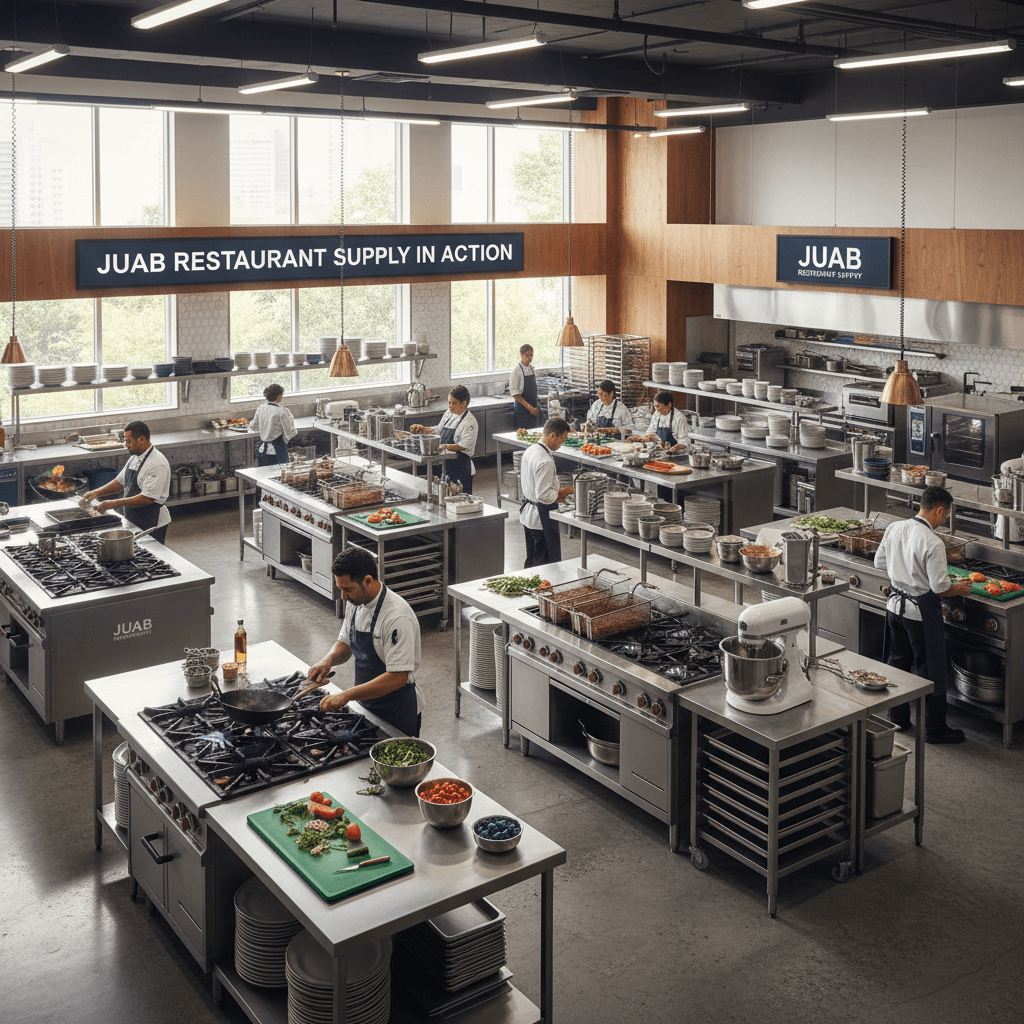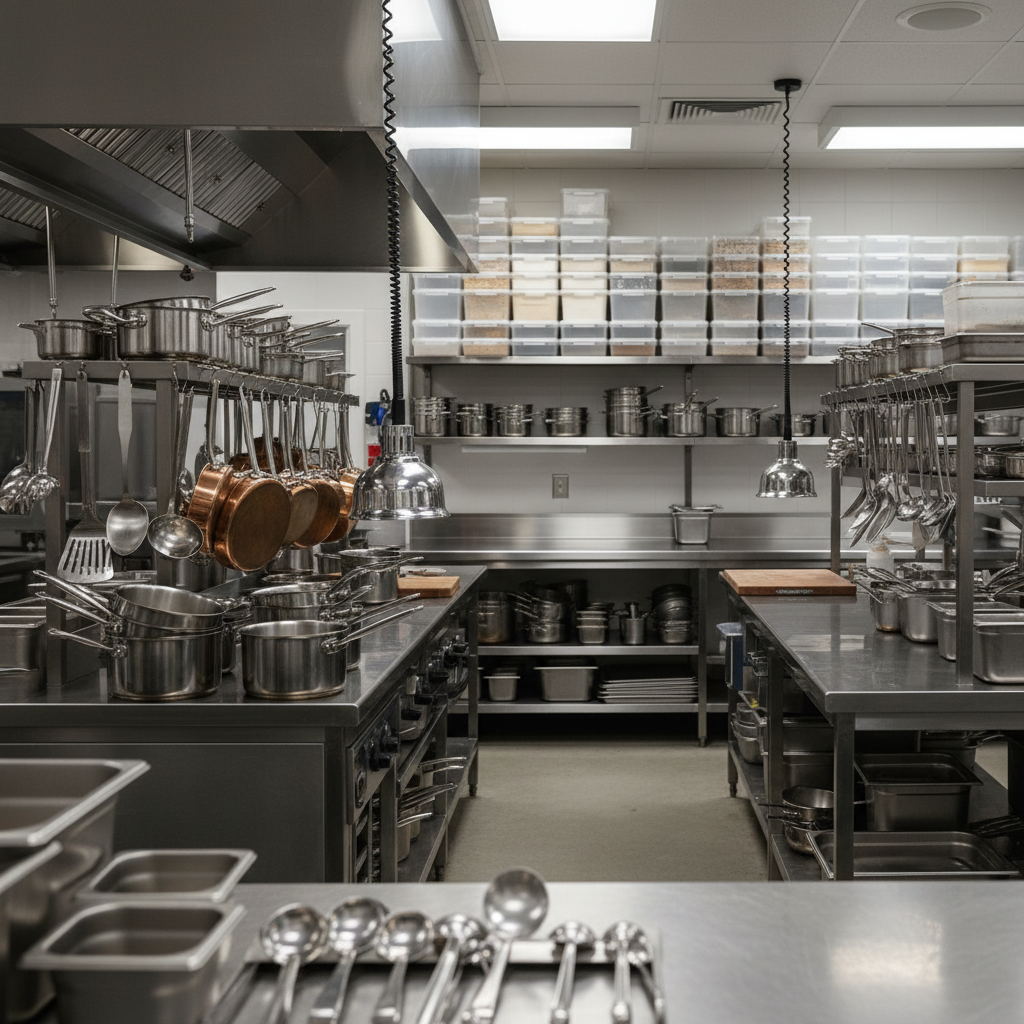
Selecting restaurant smallwares that last requires prioritizing high quality materials like heavy duty stainless steel and polycarbonate that meet strict NSF safety standards. Kitchen operators should focus on professional grade tools and reinforced storage containers designed to withstand high volume daily wear; purchasing from reputable wholesale suppliers further ensures long term durability.
Every kitchen operator knows the frustration of a bent whisk or a cracked food pan during a Friday night rush. While large appliances often receive the most attention, it is the failure of these minor tools that slows down service and eats away at your monthly margins. Selecting the right smallwares is not merely about filling a shelf; it is about investing in the long term durability and efficiency of your culinary workflow. Inconsistent quality leads to frequent replacement costs and potential safety risks. This guide provides a professional roadmap for choosing gear that lasts. We will examine essential material gauges, the non negotiable nature of NSF certification, and specific checklists for various foodservice models. You will also discover why sourcing your inventory through a local Utah partner can significantly improve your operational resilience.
Understanding the Role of Restaurant Smallwares in Your Kitchen
In the foodservice industry, restaurant smallwares encompass the vast array of non-fixed equipment that facilitates daily operations. This category includes everything from professional cookware and food storage containers to hand tools like whisks and tongs, as well as the tableware your guests interact with directly. While heavy equipment like ranges and walk-in coolers often command the most attention during a kitchen build out, smallwares are the unsung heroes of the line. Without these essential tools, even the most sophisticated kitchen comes to a standstill.
Operations in Juab County cafés or Utah food trucks face unique demands. The pace of a professional kitchen puts significantly more stress on equipment than a residential setting. A home cook might use a spatula once a day; a line cook in a busy commercial environment might use it five hundred times in a single shift. This intense repetition exposes the flaws in consumer-grade items almost immediately. If a tool fails mid-service, it creates a bottleneck that slows down every order behind it.
At Juab Restaurant Supply, we believe in prioritizing the total cost of ownership over the lowest sticker price. Buying a cheap ladle that bends or rusts within a month costs more in the long run than investing in high quality, durable gear from the start. We focus on providing a responsive supply chain and expert operational assistance to ensure your kitchen stays stocked with commercial kitchen supplies that can survive the heat of a rush. By selecting items designed for heavy use, you protect your productivity and your bottom line.
The Triple Threat of Selection: Durability, Material, and Gauge

Selecting the right restaurant smallwares requires looking past the surface finish and analyzing the technical specifications that dictate longevity. In a commercial environment, the materials you choose must withstand high heat, acidic ingredients, and the physical impact of a fast-paced line.
Stainless steel is the industry standard, but not all stainless is equal. You will typically see grades like 18/8 and 18/10. The first number represents the percentage of chromium, which provides hardness and rust resistance. The second number represents the nickel content. While 18/8 is sufficient for many commercial kitchen supplies, upgrading to 18/10 offers superior corrosion resistance and a higher luster that holds up better against harsh dishwashing chemicals. For high-volume kitchens in Juab County where equipment is constantly in the wash cycle, the extra nickel content is a worthwhile investment to prevent pitting.
Metal thickness is measured by gauge. Counterintuitively, a lower gauge number indicates a thicker, more durable metal.
Item Type | Recommended Gauge | Benefit |
|---|---|---|
Economy Sheet Pans | 20-22 Gauge | Light use, prone to warping |
Standard Cookware | 18 Gauge | Balanced weight and durability |
Heavy-Duty Pots | 14-16 Gauge | Maximum impact and warp resistance |
Material choice also influences cooking performance. Heavy-duty aluminum is prized for its exceptional heat conductivity, making it ideal for rapid sautéing or consistent baking. However, aluminum is reactive. If you are simmering tomato-based sauces or deglazing with wine, you must use stainless steel. Stainless steel is non-reactive, ensuring that acidic ingredients do not pick up a metallic taste or discolor the pan.
Pro Tip: Before placing a bulk order for hand tools, test the "spring" and weight. A high-quality set of tongs should feel substantial in the hand and offer firm resistance when squeezed. If a spoon feels light enough to bend under the pressure of a thick stew, it will likely fail during a Friday night rush. Our team provides operational assistance by helping you evaluate these physical specs to ensure your responsive supply chain delivers tools that actually last.
What Does NSF Mean in Restaurants and Why Is It Non-Negotiable?
NSF stands for the National Sanitation Foundation, an independent organization that develops public health standards and certification programs for the foodservice industry. For an operator, this mark is the primary indicator that a piece of equipment is safe for commercial use. NSF standards focus heavily on cleanability, meaning the item is designed without deep crevices, pitted surfaces, or tight corners where bacteria and food debris can lodge. When a tool is easy to sanitize, it directly reduces the risk of foodborne illness in your facility.
Beyond physical design, NSF-certified restaurant smallwares must be constructed from non-toxic, non-absorbent materials. This ensures that chemicals do not leach into ingredients during high-heat applications or long-term storage. In Utah, including Juab County, health inspectors specifically look for the NSF logo on cutting boards, storage containers, and hand tools to verify compliance with the Utah Food Code. Using uncertified residential items can result in citations or immediate disposal orders during an inspection. Juab Restaurant Supply integrates these standards into our responsive supply chain, providing operational assistance by vetting products so your kitchen remains both productive and fully compliant with local health regulations.
The Essential Restaurant Smallwares Checklist for New Operators
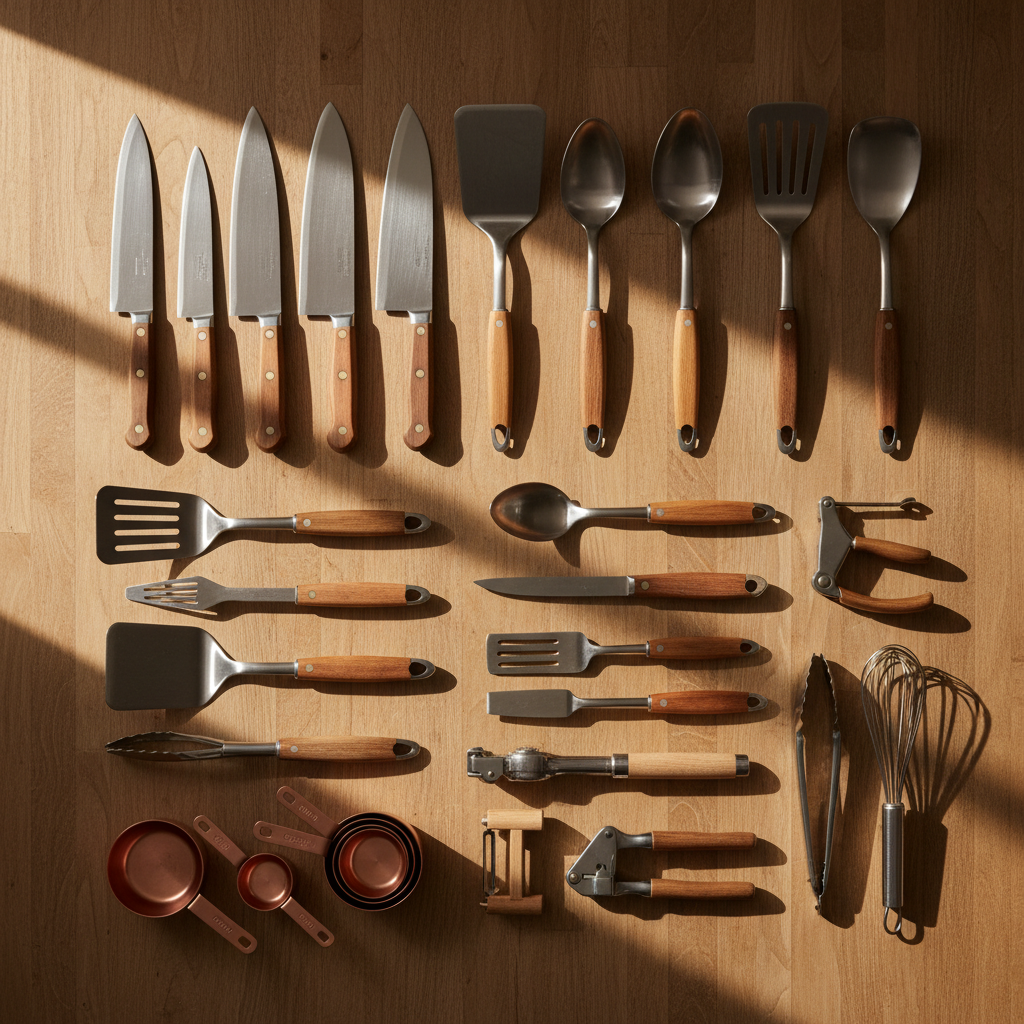
Ensuring compliance with NSF standards is the baseline; the next step is building a physical inventory based on operational volume. A comprehensive restaurant smallwares essentials list should be prioritized by utility and durability to prevent mid-service failures that halt production. For new operators in Utah, we recommend a par-level calculation based on peak capacity. To determine your starting quantities, take your total seat count, or your projected peak hourly covers for a food truck, and multiply that number by 1.5. This calculation ensures you have enough inventory to cover active service, items currently in the dish pit, and a small buffer for peak rushes.
### Cookware Standardized cookware is the foundation of the hot line. Professional fry pans should be selected based on the heat source; induction-ready bottoms are necessary for modern ranges. Saucepots are essential for reductions and stocks, while heavy-duty sheet pans are used for everything from roasting to prep organization. Choose 18-gauge or 16-gauge sheet pans to prevent the warping that often occurs with cheaper, residential-grade alternatives during high-heat roasting.
### Hand Tools These items are the most frequently handled and most often stressed. Heavy-spring tongs are a priority; they must maintain tension over thousands of uses. Include both balloon and French whisks to handle different ingredient viscosities. High-heat silicone spatulas are also vital. Unlike standard rubber versions, high-heat spatulas will not melt or deform if momentarily left against a hot pan rim.
### Food Prep The quality of your commercial kitchen supplies in the prep area determines your speed. High-density polyethylene cutting boards are preferred for their blade-friendly surface. Pair these with a set of professional-grade knives, specifically eight-inch chef's knives, serrated bread knives, and paring knives, to handle foundational tasks.
### Storage Efficient kitchens rely on clear polycarbonate containers for organization. These are superior to opaque alternatives because they allow for instant inventory checks and are highly resistant to staining from acidic ingredients. Ensure you have a matching set of snap-tight lids for every container size to maintain food safety and prevent spills in the walk-in cooler.
By building your inventory through a responsive supply chain, you avoid the mistake of over-purchasing unnecessary gadgets. Our team provides operational assistance to help you refine this checklist based on your specific menu, ensuring you invest your startup capital in the tools that drive daily productivity.
Specialty Smallwares for Different Foodservice Models
While a general checklist covers the basics, specific operational models in Utah require a tailored approach to commercial kitchen supplies. Food truck operators in Juab County, for example, deal with extreme spatial constraints. For these mobile units, prioritizing stackable restaurant smallwares like nesting stainless steel mixing bowls and perforated pans that double as strainers is essential to maximize every square inch of the prep station.
High-volume institutional kitchens, such as schools or healthcare facilities, face different challenges. They require rigorous color-coding systems for hand tools and cutting boards to maintain HACCP standards. Utilizing red-handled tongs for raw proteins and green for produce ensures safety across large teams where cross-contamination risks are high.
Local cafés and espresso bars focus on precision rather than volume. Calibrated frothing pitchers and heavy-gauge barware ensure consistency in beverage temperature and presentation. Juab Restaurant Supply provides operational assistance by curating these specialty items, ensuring your responsive supply chain supports the unique physical and safety requirements of your specific business model.
Avoiding the Replacement Trap: Maintenance Tips for Smallwares
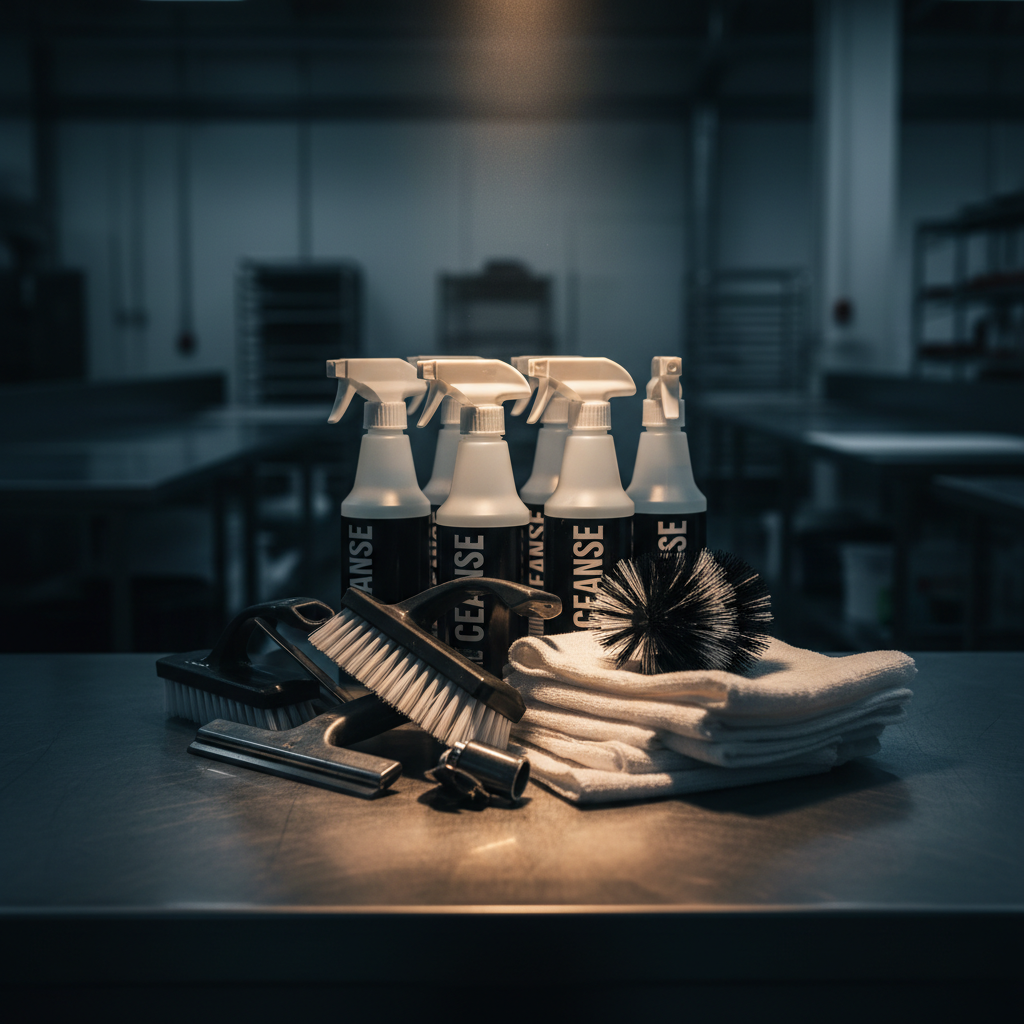
Even the highest-grade restaurant smallwares will fail prematurely if the cleaning protocol is neglected. Commercial dishwashers and high-concentration sanitizers are necessary for food safety, but they are incredibly aggressive on materials. Aluminum sheet pans and scoops are particularly vulnerable; harsh detergents can cause oxidation, leading to a grey, chalky residue that can rub off onto food. Similarly, excessive heat and chemicals cause polycarbonate storage containers to craze, creating microscopic cracks that eventually lead to structural failure.
Corrosion is another silent killer. Despite the name, stainless steel is not rust-proof; it is rust-resistant. If wet ladles or spoons are stacked immediately after washing without proper airflow, moisture trapped between the surfaces will eventually cause pitting. Utilizing open-wire drying racks is a simple operational change that extends the life of your commercial kitchen supplies significantly.
Maintaining consistency requires knowing when to retire an item. A warped sheet pan creates hot spots, resulting in unevenly baked goods that waste ingredients. A cracked plastic container or a cutting board with deep scoring becomes impossible to fully sanitize. Juab Restaurant Supply provides operational assistance to help you develop a responsive supply chain that anticipates these needs, ensuring you replace failing tools before they compromise your kitchen’s productivity or safety standards.
Why Buying Smallwares Locally in Utah Matters for Your Bottom Line
Proper maintenance delays the inevitable, but it cannot prevent accidental breakage or loss during a peak rush. Relying on national distributors often means waiting five days for a critical shipment of ladles or prep tools; a timeline that halts productivity. Sourcing your restaurant smallwares from a local partner ensures a responsive supply chain that reacts to immediate kitchen emergencies.
Juab Restaurant Supply offers the localized inventory and operational assistance needed to keep Juab County kitchens running without the logistical bottlenecks of cross-country shipping. Investing in local commercial kitchen supplies means your replacement gear is available when you need it, protecting your daily revenue from preventable downtime.
Selecting the right smallwares is about more than just finding the lowest price. It requires a careful balance between durability, material quality, and the specific needs of your high-volume kitchen. While this guide provides a solid foundation for your purchasing decisions, the process of outfitting a full kitchen remains a complex task. If you would like some expert guidance to ensure your facility is equipped for long-term success, we invite you to learn more About our team and how we support operators like you.